
Gas prices often feel unpredictable. One week the price at the pump seems reasonable, and the next week it jumps without warning. For many drivers, this raises a simple but frustrating question: what affects gas prices?
Understanding how fuel prices are set helps you make sense of daily fluctuations, regional differences, and long-term trends. This guide explains gas prices in clear, practical terms—without news hype or technical jargon—so you know exactly why fuel costs change and how those changes affect you.
Why Gas Prices Matter to Drivers
Fuel is one of the most frequent expenses for drivers. Even small changes in price can have a noticeable impact on:
-
Daily commuting costs
-
Road trip budgets
-
Monthly and annual fuel spending
-
Overall cost of driving
Knowing what drives gas prices helps you plan more realistically and avoid being caught off guard.
The Main Factors That Affect Gas Prices
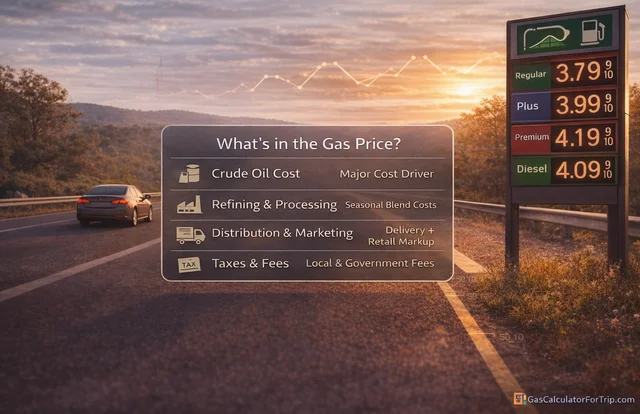
Gas prices are influenced by several interconnected factors. No single element determines the price you see at the pump.
Crude Oil Prices
Crude oil is the primary raw material used to make gasoline. Changes in oil prices have a major impact on fuel costs.
Oil prices fluctuate due to:
-
Global supply and demand
-
Production decisions by oil-producing countries
-
Political instability in oil-producing regions
-
Economic growth or slowdowns
When crude oil prices rise, gas prices usually follow.
Refining and Distribution Costs
After oil is extracted, it must be refined into gasoline. Refining capacity, maintenance shutdowns, and transportation costs all affect the final price.
Factors include:
-
Refinery outages
-
Transportation distance
-
Pipeline and shipping costs
Limited refining capacity can push prices higher even when oil prices are stable.
Taxes
Fuel taxes vary widely by country, state, and even city.
In the United States:
-
Federal gas tax is fixed
-
State and local taxes differ significantly
This explains why gas prices can vary sharply between neighboring states.
Supply and Demand
Gas prices respond quickly to changes in demand.
Higher demand typically occurs during:
-
Summer travel season
-
Holidays
-
Economic growth periods
When demand rises faster than supply, prices increase.
Why Gas Prices Change So Often
Gas prices are more volatile than many other consumer prices because they react quickly to market changes.
Short-term price changes can be caused by:
-
Weather events
-
Supply disruptions
-
Sudden demand spikes
-
Market speculation
This volatility is normal and reflects how fuel markets operate.
Why Gas Prices Differ by State and City
Two drivers filling up on the same day can pay very different prices depending on location.
Key reasons include:
-
State and local taxes
-
Environmental regulations
-
Distance from refineries
-
Competition among gas stations
Urban areas often have higher prices due to higher operating costs, while rural areas may have limited competition.
Seasonal Gas Price Changes Explained
Gas prices often rise during certain times of the year.
Summer Fuel Blends
In warmer months, gasoline must meet stricter environmental standards. These blends cost more to produce, contributing to higher prices.
Travel Season
Summer vacations and holidays increase driving demand, pushing prices upward.
Prices may ease during fall and winter when travel demand drops.
Global Events and Their Impact on Fuel Cost
Fuel markets are global. Events far from home can affect local gas prices.
Examples include:
-
International conflicts
-
Trade restrictions
-
Natural disasters
-
Changes in global oil production
Even if supply disruptions occur overseas, prices can rise domestically due to market expectations.
Common Myths About Gas Prices
“Gas Stations Set Prices Randomly”
Gas stations generally respond to wholesale costs, competition, and taxes—not random decisions.
“Gas Prices Only Go Up”
Prices fluctuate both up and down, even if long-term trends sometimes rise.
“Local Stations Control Global Prices”
Local stations reflect broader market forces rather than controlling prices themselves.
How Gas Prices Affect Your Travel Costs
Understanding gas prices helps you estimate real travel expenses more accurately.
Higher fuel prices mean:
-
Higher cost per mile
-
Increased trip expenses
-
Greater importance of fuel efficiency
To see how price changes impact your own travel, tools like a Gas Price Calculator for Trip or a general Fuel Cost Calculator can translate price shifts into real numbers.
Frequently Asked Questions
Why are gas prices higher in some states?
State taxes, environmental rules, and supply logistics all contribute to regional price differences.
Do gas prices go down in winter?
They often do, due to lower demand and cheaper fuel blends, but this is not guaranteed.
Can drivers predict gas price changes?
Short-term price movements are difficult to predict, but understanding trends helps with planning.
Final Thoughts
Gas prices may seem unpredictable, but they follow clear economic and logistical rules. Crude oil costs, refining capacity, taxes, and demand all work together to determine what you pay at the pump.
By understanding what affects fuel cost, you can better interpret price changes, plan travel expenses realistically, and use fuel cost tools more effectively. Knowledge doesn’t stop prices from changing—but it does help you stay prepared.


