
With fuel prices fluctuating and electric vehicles becoming more common, many drivers are asking a practical question in 2026: is gas or electric cheaper to drive? The answer isn’t as simple as it used to be. Costs depend on how you drive, where you live, and how you charge or refuel.
This guide provides a neutral, real-world comparison of gas and electric driving costs in 2026—focusing on everyday operating expenses rather than hype. By the end, you’ll know which option is cheaper for your situation and how to compare costs accurately.
Gas vs Electric Cars: What Costs Are We Comparing?
To make a fair comparison, we’re focusing on operating costs, not purchase price or resale value. Specifically, this article compares:
- Fuel (gasoline) vs electricity costs
- Cost per mile of driving
- Monthly and annual driving expenses
Other ownership factors like insurance and depreciation vary widely and are mentioned only where relevant.
Fuel vs Electricity Costs in 2026
Gasoline Costs
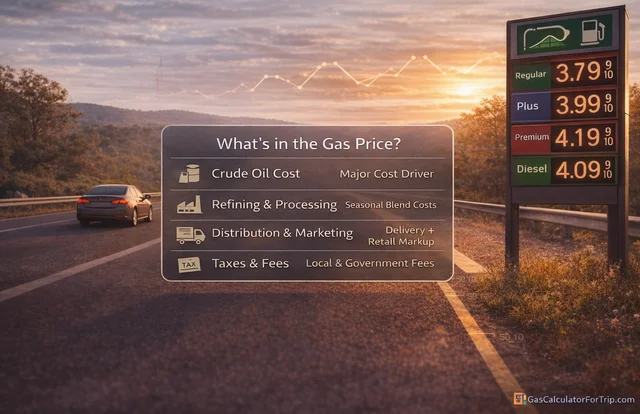
Gas-powered vehicles rely on fuel prices that vary by region and season. In 2026, gasoline prices continue to fluctuate based on supply, demand, and global factors.
What matters most for gas drivers: – Local gas prices – Vehicle fuel efficiency (MPG) – Driving patterns (city vs highway)
Small changes in fuel price can significantly impact monthly and annual costs.
Electricity Costs
Electric vehicles use electricity priced per kilowatt-hour (kWh). Electricity rates are generally more stable than gas prices, but they still vary by:
- Location
- Time of use
- Home vs public charging
Home charging is typically much cheaper than public fast charging, which can narrow the cost gap with gasoline in some cases.
Cost Per Mile: Gas vs Electric
One of the clearest ways to compare driving costs is by looking at cost per mile.
Gas Vehicles
Cost per mile for gas cars depends on: – MPG – Gas price per gallon
Example: – 30 MPG vehicle – $4.00 per gallon
Cost per mile: 4.00 ÷ 30 ≈ $0.13 per mile
Electric Vehicles
Cost per mile for EVs depends on: – Energy consumption (kWh per mile) – Electricity price per kWh
Example: – 0.30 kWh per mile – $0.15 per kWh
Cost per mile: 0.30 × 0.15 = $0.045 per mile
In most home-charging scenarios, electric vehicles are cheaper per mile.
Monthly and Annual Driving Cost Comparison
To put this into perspective, let’s compare typical monthly driving costs.
Example: Average Driver
- Monthly distance: 1,000 miles
Gas vehicle: – Cost per mile: $0.13 – Monthly cost: ~$130 – Annual cost: ~$1,560
Electric vehicle: – Cost per mile: $0.045 – Monthly cost: ~$45 – Annual cost: ~$540
Over a year, the difference can exceed $1,000 depending on driving habits and energy prices.
Real-World Driving Scenarios
Daily Commuter
Drivers with predictable daily commutes benefit most from electric vehicles, especially with home charging. Lower per-mile costs add up quickly over time.
Long-Distance Drivers
For frequent long trips, gas vehicles may still be more convenient due to refueling speed and charging availability. Cost savings from EVs can shrink if relying on expensive fast chargers.
City vs Highway Driving
- City driving favors EVs due to regenerative braking
- Highway-heavy driving narrows the cost gap
Usage patterns matter as much as energy prices.
When Electric Is Cheaper in 2026
Electric vehicles tend to be cheaper to operate when:
- You can charge at home
- Electricity rates are moderate
- You drive regularly
- Your driving is mostly urban or suburban
Lower energy costs per mile and reduced maintenance needs strengthen the savings over time.
When Gas Is Still Cheaper
Gas vehicles may remain more cost-effective when:
- You drive very little
- You rely on public fast charging
- Electricity rates are high
- You frequently drive long highway distances
In these cases, the upfront and charging costs of EVs can offset fuel savings.
Other Costs That Matter (Briefly)
While fuel and electricity are major factors, other costs influence total ownership:
- Maintenance: EVs generally require less routine maintenance
- Charging access: Home charging offers the biggest savings
- Time costs: Refueling is faster than charging on long trips
These factors don’t affect everyone equally.
Tools to Compare Your Own Driving Costs
Because every driver’s situation is different, personalized comparisons are the most accurate.
Helpful tools include: – Fuel Cost Calculator – Understand gas expenses – Annual Fuel Cost Calculator – See long-term fuel impact
These tools help translate per-mile costs into real numbers based on your driving habits.
Frequently Asked Questions
Is electric always cheaper than gas?
No. Electric vehicles are often cheaper per mile, but total savings depend on charging access, electricity prices, and driving patterns.
Does fast charging cost more than gas?
In some areas, fast charging can approach or exceed gas costs, especially for frequent long-distance travel.
Are EV costs more predictable than gas?
Generally, yes. Electricity prices tend to be more stable than gasoline prices.
Final Verdict: Gas or Electric in 2026?
In 2026, electric vehicles are usually cheaper to drive per mile, especially for daily commuters with access to home charging. However, gas vehicles still make sense for certain driving patterns, particularly long-distance travel or low annual mileage.
The cheapest option depends on how and where you drive. Understanding your own usage—and comparing costs realistically—is the best way to decide which option fits your needs today.